
Students might not be aware of what is in their reproductive system, what the system does or how it can affect their lives.
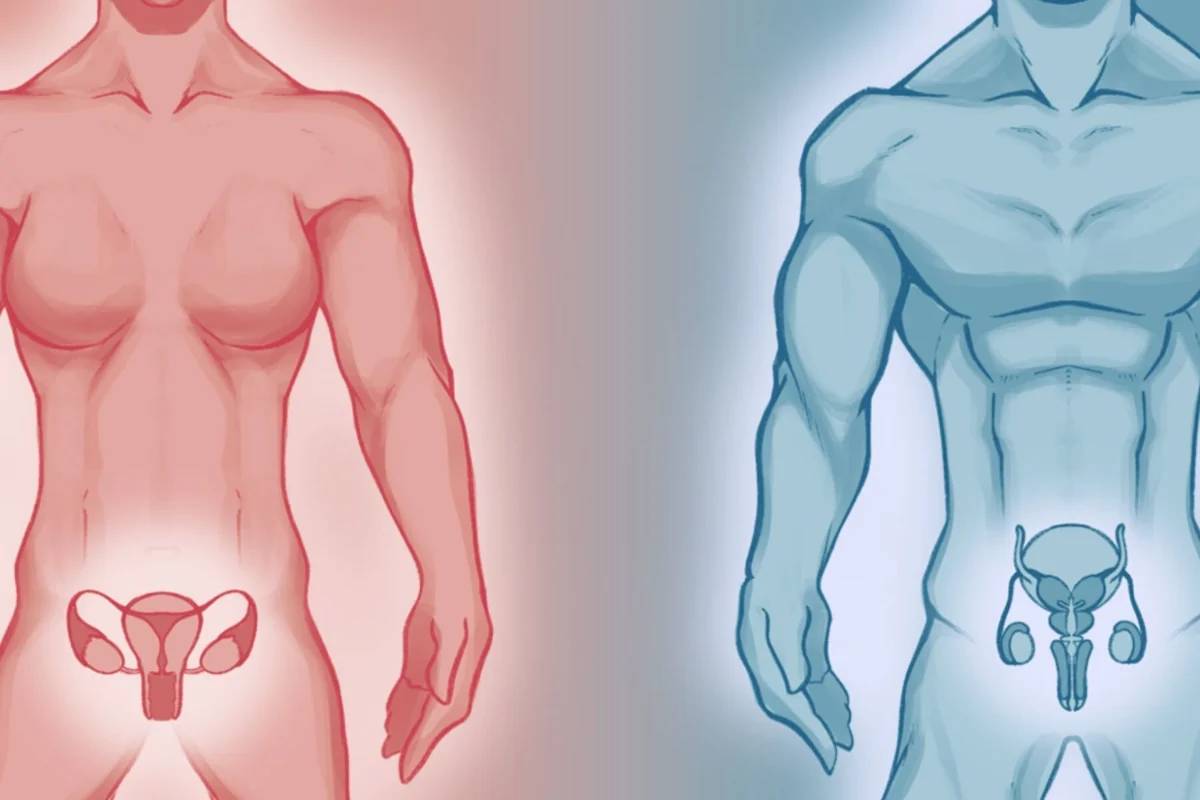
The reproductive system is a collection of organs and a matrix of hormone production that work together. This system looks different for men and women, with varying organs that have the same goal: reproduction.
Jaquetta Reeves, College of Nursing and Health Innovation assistant professor, said reproductive health is much broader than pregnancy. Reeves said it refers to the physical, emotional and social well-being of people in relation to the reproductive system throughout a person’s entire life.
Whether it’s the start of a menstrual cycle, sexually transmitted infections or reproductive cancers, students should think about their reproductive health. Students should also have access to accurate information and appropriate healthcare, she said.
The reproductive system has many organs that help the system function. For women, this system helps regulate their menstrual cycles, produce estrogen and keeps them healthy.
These are the female reprductive organs:
Ovaries: Small, oval-shaped glands that produce eggs, or oocytes, and estrogen.
Fallopian tubes: The tunnels where eggs travel to the uterus.
Uterus: A hollow, pear-shaped organ where the fetus resides during pregnancy.
Cervix: A lower, narrow canal between the uterus and the vagina.
Vagina: The birthing canal.
Vulva: The external portion of the female organs.
For men, this system’s main jobs are to produce, maintain and transport sperm and protective fluid. These are the male reproductive organs:
Testes: Oval organs that produce sperm and testosterone.
Epididymis: A C-shaped tube that transports and stores sperm cells.
Ductus deferens: A long, muscular tube that transports mature sperm to the urethra.
Urethra: A tube that carries urine and sperm outside the body.
This system also includes the penis and the ejaculatory ducts.
While this system is by and large used for reproduction through sexual intercourse, students can be exposed to bacteria and sexually transmitted infections, like gonorrhea and HIV. When sexually active, it is important to understand what is going on in the body and ways to prevent pregnancy and disease.
“I want students to think about being safe, and being safe when you’re sexually active it’s not just using condoms or some type of protection, but also getting yourself tested annually or quarterly,” Reeves said.
Health Services director Dr. Angela Middleton said if students feel different than what they’re used to, whether it’s a rash, a difference in menstrual cycles or a lump or bump, they should get that looked at because they can be signs that something may be going on.
“Don’t hesitate to come in and have a chat with one of our healthcare providers,” Middleton said. “A lot of times, students will be worried about things that are actually very normal, so we can go over things like that with them.”
Here are some resources available to students:
Health Services
If students have specific questions about their health, the clinic offers free visits to talk to a healthcare provider. Furthermore, the clinic can prescribe medicine and run tests and labs.
Health Promotions (Ransom Hall 301)
Students can use the service to talk about general sexual health, go over sexual intercourse and other topics. Students can also access the condom closet with free condoms.
CAN Community Health
Located on Matlock Centre Circle, the service provides STD and HIV testing and treatment, pharmacy services, PrEP services and dental care.
HELP Center for LGBTQ+ Health
The center provides several services, including PrEP, HIV and syphilis testing, pap smears and HPV testing, counseling, condom distribution and preventative care, among other services.
Planned Parenthood
The organization provides many reproductive health services, including annual wellness exams, birth control, breast cancer screenings, cervical cancer services and gender-affirming healthcare, among other services.
Complete Article HERE!